
Whether you’re planning a residential home, commercial building, or infrastructure project, sourcing quality materials from reliable suppliers is crucial. Working with reputable concrete suppliers and other material vendors ensures you receive consistent quality products that meet industry standards and project demands. This comprehensive guide explores the most commonly used construction materials, their properties, applications, and considerations for selection to help you better understand what goes into building the structures around us.
Concrete: The Foundation of Modern Construction
Concrete stands as the most widely used construction material globally, valued for its strength, durability, and versatility. This composite material consists of cement, water, and aggregates like sand and gravel that combine through a chemical process called hydration. The resulting material can be molded into virtually any shape before it hardens, making it ideal for foundations, walls, floors, and structural elements. Different concrete mixes serve different purposes, with variations in strength, workability, and setting time tailored to specific applications. Reinforced concrete incorporates steel bars or mesh that dramatically increases tensile strength, allowing for larger spans and taller structures than plain concrete alone.
The material’s fire resistance, low maintenance requirements, and ability to withstand harsh weather conditions make it indispensable in modern construction. Concrete also provides excellent thermal mass, helping regulate indoor temperatures and improve energy efficiency in buildings. Advances in concrete technology have introduced high-performance varieties including self-consolidating concrete, fiber-reinforced options, and permeable formulations that address environmental concerns. Its affordability relative to strength and longevity ensures concrete will remain a primary construction material for decades to come.
Steel: Strength and Flexibility Combined
Steel has revolutionized construction since its widespread adoption in the late 19th century, enabling the skyscrapers and large-span structures that define modern cityscapes. This material offers an exceptional strength-to-weight ratio, allowing for lighter structural frames that still support tremendous loads. Steel’s ductility means it can bend and flex under stress without breaking, providing crucial resilience during earthquakes and high winds. Prefabrication capabilities allow steel components to be manufactured off-site to exact specifications, reducing construction time and improving quality control. The material is fully recyclable without loss of properties, making it one of the most sustainable construction materials when sourced responsibly.
Common steel products in construction include I-beams, columns, reinforcing bars, metal decking, and structural tubing for various applications. Corrosion protection through galvanization, painting, or weathering steel formulations extends the material’s lifespan in challenging environments. Steel construction allows for open floor plans with fewer support columns, providing architectural flexibility that concrete and masonry cannot match. The precision and speed of steel erection make it particularly valuable for commercial projects where time constraints significantly impact profitability.
Wood: Traditional Material with Modern Applications
Wood remains popular in construction for its natural beauty, workability, and renewable nature when sourced from sustainably managed forests. This organic material has been used for millennia and continues evolving with engineered wood products that enhance performance and consistency. Dimensional lumber provides the structural framing for most residential construction in many countries, offering good strength properties relative to weight. Engineered wood products like laminated veneer lumber, glued laminated timber, and cross-laminated timber allow for larger spans and more predictable performance than traditional solid wood.
Wood’s natural insulation properties contribute to energy-efficient buildings, and its carbon sequestration during growth makes it environmentally attractive. The material is relatively easy to work with using standard tools, making it accessible for various skill levels and facilitating modifications during construction. Proper treatment and protection against moisture, insects, and fire ensures wood structures can last centuries when maintained correctly. Modern building codes and treatment technologies have addressed traditional concerns about wood’s durability in challenging conditions. The aesthetic warmth of exposed wood elements makes it valuable for both structural and decorative applications in contemporary architecture.
Masonry Materials: Brick, Block, and Stone
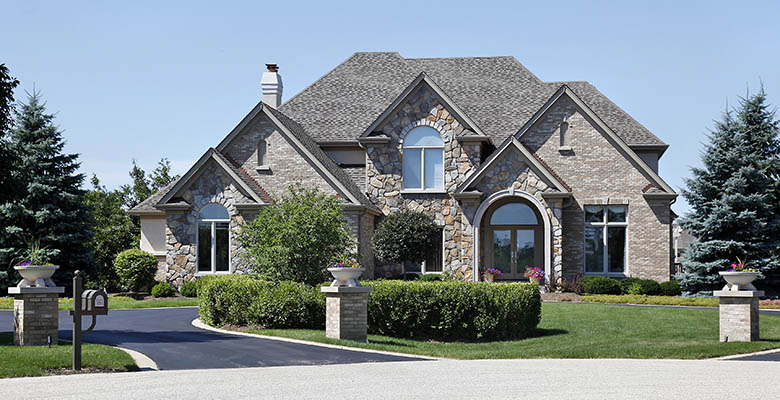
Masonry construction using brick, concrete blocks, and natural stone has provided durable, attractive buildings throughout human history. Clay bricks manufactured through firing at high temperatures offer excellent compressive strength, weather resistance, and thermal mass for temperature regulation. Concrete blocks provide economical wall construction with good structural properties and the ability to incorporate insulation and reinforcement within their hollow cores. Natural stone including granite, limestone, and sandstone brings unique aesthetic qualities and exceptional durability, though at higher costs than manufactured alternatives. Masonry walls provide fire resistance, sound insulation, and low maintenance requirements that appeal to many building owners.
Modern thin brick and stone veneer systems provide the appearance of solid masonry at reduced cost and weight. Mortar joints between masonry units allow for some movement and flexibility while maintaining structural integrity.
The thermal mass of masonry helps stabilize indoor temperatures, reducing heating and cooling loads in appropriate climates. Working with ready mix concrete suppliers Potomac for block production and grout filling ensures consistent quality in masonry construction. Installation requires skilled craftspeople to ensure proper bonding, alignment, and weatherproofing for long-term performance.
Aggregates: Essential Components
Aggregates including sand, gravel, and crushed stone constitute the bulk volume in concrete and serve numerous other construction purposes. These granular materials provide structural strength in concrete while reducing costs and shrinkage compared to pure cement. Fine aggregates like sand fill voids between larger particles, improving workability and surface finish in concrete mixtures. Coarse aggregates including gravel and crushed stone provide the structural backbone in concrete, with size and gradation affecting mix properties. Beyond concrete, aggregates serve as base materials for roads, drainage media, and landscaping applications throughout construction projects.
Quality aggregates must meet specific gradation requirements, remain free from contaminants, and possess adequate strength for their intended application. Local availability significantly affects aggregate costs, making proximity to quarries and suppliers an important project consideration. Different aggregate types produce concrete with varying properties including density, strength, and appearance. Recycled concrete and reclaimed materials increasingly serve as sustainable aggregate alternatives that reduce environmental impact. Testing and quality control ensure aggregates meet project specifications and produce reliable results in their applications.
Glass: Transparency and Modern Aesthetics
Glass has transformed from a luxury material to an essential component of modern construction, providing natural light while maintaining weatherproofing. Flat glass production advances enable large panels that create transparent facades and expansive windows throughout contemporary architecture. Various glass types serve different functions including tempered glass for safety, laminated glass for security, and low-emissivity coatings for energy efficiency. Insulated glass units with multiple panes separated by air or gas spaces provide thermal performance suitable for diverse climates. Structural glazing systems allow glass to serve load-bearing functions in certain applications, creating dramatic all-glass walls and floors.
Insulation Materials: Energy Efficiency Focus
Insulation materials have gained prominence as energy codes tighten and sustainability concerns grow throughout the construction industry. These materials reduce heat transfer between building interiors and exteriors, lowering heating and cooling costs while improving occupant comfort. Fiberglass insulation remains popular for its affordability, fire resistance, and ease of installation in standard wall and ceiling cavities. Rigid foam boards provide continuous insulation on building exteriors, reducing thermal bridging through structural members. Spray foam insulation expands to fill irregular spaces and provides both thermal resistance and air sealing in a single application.
Natural insulation options including cellulose, wool, and cotton appeal to environmentally conscious builders seeking renewable materials. Proper installation is crucial because gaps, compression, and moisture damage dramatically reduce insulation effectiveness. R-value ratings indicate thermal resistance, with higher numbers representing better insulating properties for given thicknesses. Vapor barriers and proper ventilation work together with insulation to prevent moisture problems that damage buildings and reduce insulation performance.
Conclusion
Environmental impacts increasingly influence material selection, with sustainable options gaining favor despite sometimes higher upfront costs. Working with experienced ready mix concrete delivery Bethesda services and other specialized suppliers ensures you receive materials when needed in the quantities and specifications required. By understanding common construction materials and sourcing them strategically, you can execute projects efficiently while achieving quality results that stand the test of time.